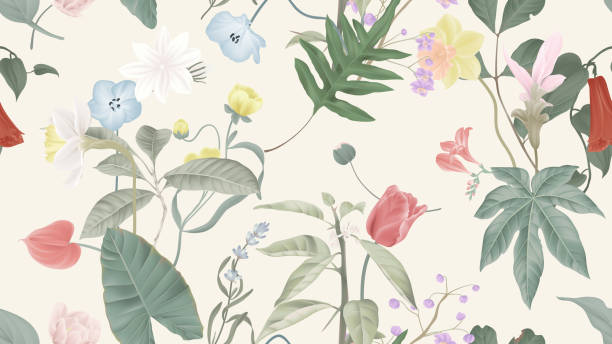
Floral wallpaper looks different in 2026. Prints feel crisp, intentional, and easy to live with. If you are considering floral wallpaper for walls, you can avoid costly missteps with a simple plan.
This guide covers style, color, scale, materials, and care. You will get practical tips for ordering and installation. Use it before you commit to a roll count.
Why Floral Wallpaper Is Dominating Interior Design in 2026
Florals now work in modern homes because the styling has changed. The repeats got larger. Colors became cleaner. Many designs read like wall art.
People also want a faster personality in a room. One floral wall can set a tone in minutes. That matters in open-plan spaces.
Nature motifs help, too. Curved petals soften hard lines from screens and sleek furniture. The result often feels calmer.
Different Floral Wallpaper Styles
Pick a style family first. It keeps the room consistent.
Heritage florals
Toile and chinoiserie bring structure and detail. They pair well with warm woods and classic trim. For a traditional look, vintage floral wallpaper suits bedrooms and dining spaces.
Modern botanicals
Oversized stems and abstract blooms feel graphic. They work with simple furniture and minimal décor. Modern floral wallpaper can look bold without feeling busy.
Soft painterly florals
Watercolor and micro-florals feel gentle. They suit bedrooms, nurseries, and reading corners. Keep contrast moderate for a quieter mood.
Tropical statements
Jungle leaves and bright blooms deliver drama. Use them in compact areas for maximum impact. Powder rooms and laundry spaces are ideal.
Choosing Colors for Floral Wallpaper
Color sets the mood more than pattern type. It also changes how large a room feels.
Dark and earthy palettes
Deep navy, emerald, and charcoal feel rich. Earth tones like olive and clay feel grounded. Plan layered lighting and warm bulbs.
Pastels and light neutrals
Dusty pink, pale green, and soft blue can calm a space. Pair them with off-white trim for a smoother look.
Bold color and metallic accents
Strong palettes work best with one repeated “anchor” color. Repeat it in two spots, such as a rug edge and a cushion. Metallic ink looks best with side lighting.
Room-by-Room Applications
Match wallpaper to daily use and moisture levels.
Bedrooms
Lower contrast helps sleep spaces. Painterly florals and tonal prints work well. A headboard wall gives impact without overwhelm.
Living and dining rooms
Start with scale and upholstery. Large sofas need larger blooms. For floral wallpaper for living room layouts, check the sofa fabric first. Busy upholstery needs calmer wallpaper.
Dining rooms can take a deeper color. A single statement wall behind a sideboard often feels finished.
Bathrooms
Choose washable or vinyl surfaces. Run the fan and wipe condensation quickly. Wallpaper above tile keeps edges cleaner.
Entryways and small spaces
These spaces have little furniture, so the pattern shines. Pick a clear repeat for a crisp first impression. Bold tropical prints work well here, too.
Pattern Scale and Space Considerations
Use this guide to pick scale and contrast fast.
| Space | Best scale | Contrast |
| Small | Small to medium | Moderate |
| Medium | Medium | Medium to high |
| Large | Large or mural-like | Any, with lighting |
Low ceilings often suit airy prints and vertical movement. Tall ceilings can handle bigger repeats and darker grounds. Keep one “rest zone” in the room, such as solid drapes or a plain sofa.
Material Options
Choose material based on cleaning needs and wall texture.
| Material | Best for | Main benefit | Main risk |
| Paste-the-wall | Long-term rooms | Clean finish | Prep matters |
| Peel-and-stick | Renters | Fast DIY | Hates texture |
| Textured | Warmth | Depth | Delicate |
| Vinyl/washable | Wet or busy rooms | Easy care | Shows bumps |
If you rent, test first. Floral peel-and-stick wallpaper works best on smooth, clean, fully cured paint. A small sample can reveal edge lift early.
Installation Strategies
Good prep prevents most failures. Straight lines matter more than speed.
A practical installation checklist
- Patch, sand, and clean the wall.
- Prime if the surface is uneven or porous.
- Mark a plumb line for the first drop.
- Dry-fit to plan pattern matches.
- Smooth from the center outward as you hang.
- Trim with a sharp blade and change it often.
Accent walls save time and reduce waste. Full-room coverage feels immersive. A floral ceiling can work in a powder room if the tones stay light. When mixing patterns, keep the scales different and share one color.
Styling Your Space Around Floral Wallpaper
Pull two or three colors from the print. Use them in textiles and art. Keep at least one major fabric solid.
Match furniture to the print’s energy. Curves soften graphic botanicals. Clean lines modernize heritage florals. Compare samples next to floors and trim.
Layer lighting. Use overhead light plus lamps or sconces. Aim the light toward the wall to show depth.
Avoid theme overload. Skip floral art on the same wall as floral paper. Choose simpler accessories instead.
Budget Planning and Shopping Strategy
Short orders cause the most stress. Pattern repeat creates waste, even with perfect measuring.
Ordering steps that prevent shortages
- Measure each wall and record totals.
- Subtract openings, then add a buffer.
- Check repeat and add extra for matching.
- Order samples for day and night checks.
- Buy one batch and keep an extra roll.
Premium papers often give richer color and better surface feel. Custom murals can reduce seams, which can look cleaner in large rooms.
Maintenance and Longevity
Treat wallpaper like a painted wall, not a scrub surface. Gentle care protects seams.
Washable finishes usually handle a damp cloth and mild soap. Blot first, then wipe lightly. Textured papers need dry dusting with a microfiber.
Control moisture in bathrooms and kitchens. Fans and quick wipe-downs help. Small seam lifts can often be fixed with the right adhesive. With solid prep, wallpaper can look strong for five to ten years.
Common Mistakes to Avoid
Use this quick check before you buy or hang.
- Choosing a print that fights your upholstery.
- Picking dark florals without planning the lighting.
- Skipping samples and trusting screen color.
- Applying peel-and-stick over textured or dusty walls.
- Starting without a plumb line.
- Ordering too little for pattern matching.
Florals stay current when choices feel deliberate. Start with style, confirm color in your light, and match scale to furniture. Then pick a material that fits your home.