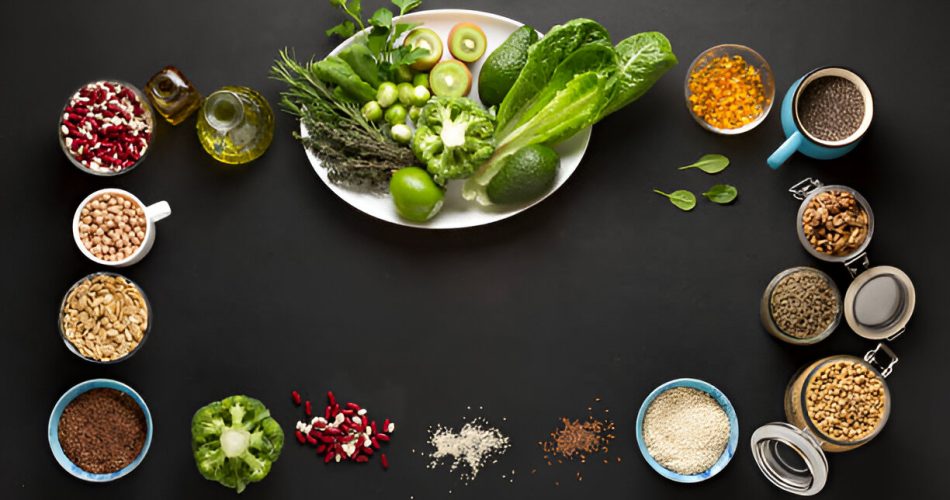
In recent years, plant-based diets have shifted from a niche lifestyle choice to a mainstream culinary movement. What began as a preference for a small group of health-conscious individuals and animal rights advocates has now grown into a full-blown revolution, reshaping the global food landscape. From celebrity endorsements to fast-food chains offering vegan options, plant-based eating is no longer a trend—it’s a transformation.
What Is a Plant-Based Diet?
A plant-based diet emphasizes whole, minimally processed foods derived from plants. This includes:
-
Vegetables
-
Fruits
-
Legumes
-
Whole grains
-
Nuts and seeds
Unlike veganism, which strictly excludes all animal products, plant-based eating focuses more on maximizing plant foods while often allowing for occasional animal-based items depending on personal preference.
Why the Shift?
Several factors have contributed to the surge in plant-based lifestyles:
1. Health Benefits
Numerous studies link plant-based diets to reduced risks of heart disease, obesity, type 2 diabetes, and certain cancers. These diets are rich in fiber, antioxidants, and essential nutrients that promote overall well-being.
2. Environmental Impact
Raising animals for food is a major contributor to greenhouse gas emissions, deforestation, and water pollution. By eating more plants, individuals can significantly reduce their carbon footprint and contribute to a more sustainable planet.
3. Ethical Considerations
Animal welfare is a growing concern among consumers. Plant-based diets offer a cruelty-free alternative that aligns with ethical and compassionate values.
4. Innovation and Accessibility
Advances in food technology have made plant-based eating more appealing and accessible. From meat substitutes like Beyond Meat and Impossible Foods to dairy-free cheeses and plant milks, the market is booming with tasty alternatives.
How the Food Industry Is Responding
The food industry is rapidly adapting to meet the rising demand for plant-based options. Here’s how:
-
Fast Food Chains: Brands like Burger King, McDonald’s, and KFC have introduced plant-based menu items to cater to the evolving palate of consumers.
-
Grocery Stores: Plant-based sections are expanding, featuring dairy-free yogurts, egg alternatives, and plant-based frozen meals.
-
Fine Dining: Michelin-starred chefs are now crafting gourmet plant-based dishes that rival traditional cuisine in complexity and flavor.
Common Myths Debunked
Myth 1: Plant-based diets lack protein.
Fact: Legumes, tofu, quinoa, nuts, and even some vegetables offer ample protein.
Myth 2: It’s too expensive.
Fact: Staples like rice, beans, lentils, and vegetables are often more affordable than meat and processed foods.
Myth 3: It’s boring.
Fact: Plant-based cuisine spans global cultures—think Indian dals, Mediterranean mezze, Thai curries, and Mexican bean dishes—offering endless flavor and variety.
Getting Started with Plant-Based Eating
If you’re curious about transitioning to a plant-based lifestyle, here are some easy tips:
-
Start with Meatless Mondays or one plant-based meal a day.
-
Explore new recipes featuring legumes, grains, and seasonal vegetables.
-
Replace dairy with plant-based alternatives like almond milk or oat milk.
-
Read labels to identify hidden animal products.
-
Focus on whole foods, not just processed vegan substitutes.
Conclusion
The rise of plant-based diets represents more than just a shift in eating habits—it’s a cultural, ethical, and environmental awakening. With its numerous health benefits, lower environmental impact, and delicious potential, plant-based eating is more than a passing phase—it’s a lifestyle that’s here to stay.
Whether you’re all-in or just experimenting, embracing more plants in your diet is a delicious step toward a better future.