
Private aviation in Florida constitutes a significant and rapidly evolving segment of the broader air transportation system in the United States. The state’s unique geographic position, robust economic environment, and well-developed aviation infrastructure have collectively positioned it as one of the most active hubs for private jet operations. The sector encompasses a wide range of services, including on-demand charter, aircraft management, fractional ownership, and corporate aviation.

Geographic and Strategic Significance
Florida’s peninsular geography provides direct access to major domestic and international markets, including North America, the Caribbean, and Latin America. This strategic location enhances the efficiency of private aviation operations, particularly for transnational travel and short-haul regional routes.
Key metropolitan areas such as Miami, Fort Lauderdale, Orlando, and Tampa serve as primary centers of private aviation activity. These cities are supported by an extensive network of executive airports and fixed-base operators (FBOs), which facilitate efficient aircraft operations and provide specialized services tailored to private aviation clients.
Market Structure and Service Models
The private aviation market in Florida is characterized by a diverse array of operational models designed to accommodate varying client needs. The most prevalent model is on-demand charter, which allows clients to arrange flights according to specific schedules and destinations. This model offers maximum flexibility and is widely utilized by both corporate and leisure travelers.
In addition to charter services, the market includes fractional ownership programs, jet card memberships, and full aircraft ownership. These alternatives provide different levels of access, cost predictability, and operational control. Aircraft management services are also common, enabling owners to outsource operational responsibilities while maintaining asset utilization.
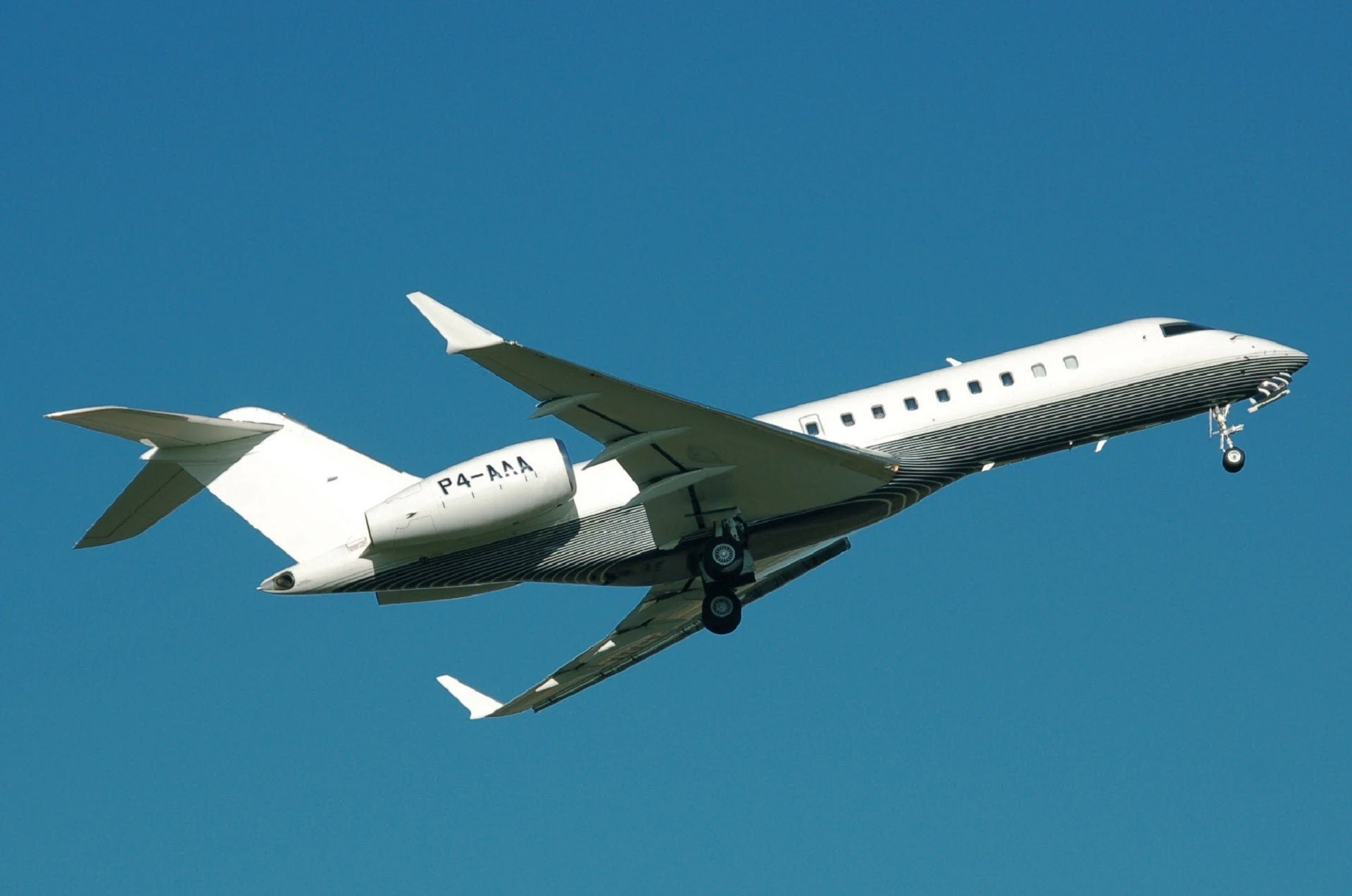
The coexistence of these models reflects the complexity and maturity of Florida’s private aviation market.
Fleet Composition and Operational Capabilities
Private aviation in Florida utilizes a broad spectrum of aircraft, ranging from light jets optimized for short-distance travel to heavy and ultra-long-range jets capable of intercontinental missions. The selection of aircraft is determined by factors such as passenger capacity, range, and operational efficiency.
Modern fleets are increasingly equipped with advanced avionics, enhanced safety systems, and upgraded cabin amenities. These features contribute to improved performance, reliability, and passenger comfort. The availability of diverse aircraft options enables operators to tailor services to specific mission requirements.
Regulatory Framework and Safety Standards
The private aviation sector in Florida operates under a comprehensive regulatory framework administered by the Federal Aviation Administration (FAA). Charter operations are typically conducted under Part 135 regulations, which establish stringent requirements for pilot certification, aircraft maintenance, and operational oversight.
Compliance with these regulations ensures a high baseline level of safety across the industry. Leading operators often exceed regulatory standards by implementing advanced safety management systems and undergoing independent third-party audits. These practices are essential for maintaining operational integrity and client confidence.
Demand Drivers and Client Segmentation
Demand for private aviation in Florida is driven by a combination of corporate and leisure travel. Corporate clients rely on private aviation to enhance productivity and facilitate time-sensitive travel. The ability to conduct multi-destination itineraries within a single day represents a significant advantage over commercial aviation.
Leisure demand is closely linked to Florida’s status as a global tourism destination. High-net-worth individuals frequently utilize private aviation to access luxury resorts, coastal destinations, and seasonal events. Demand is subject to seasonal fluctuations, with peak activity during winter months.
The client base has also diversified in recent years, expanding beyond traditional ultra-high-net-worth individuals to include corporate executives, entrepreneurs, and small-to-medium enterprises.
Infrastructure and Airport Network
Florida’s private aviation sector is supported by a well-developed network of airports and aviation facilities. Executive airports play a critical role in accommodating private jet operations, offering reduced congestion and specialized services.
Fixed-base operators provide a range of essential services, including fueling, maintenance, ground handling, and passenger amenities. The availability of these services enhances operational efficiency and contributes to the overall quality of the travel experience.
Ongoing investments in infrastructure, including the expansion of hangar space and modernization of terminals, are necessary to support continued growth in private aviation activity.
Technological Innovation and Industry Evolution
Technological advancement is reshaping private aviation in Florida. Digital booking platforms, real-time flight tracking systems, and data-driven operational tools have improved efficiency and transparency. These innovations enable clients to access detailed information on aircraft availability, pricing, and performance.
Artificial intelligence and data analytics are increasingly utilized to optimize route planning, demand forecasting, and maintenance scheduling. These capabilities enhance operational performance and support more efficient resource allocation.
Technological innovation also extends to aircraft design, with improvements in fuel efficiency, range, and environmental performance.
Sustainability and Environmental Considerations
Environmental sustainability has become an important consideration within the private aviation sector. Operators in Florida are adopting measures such as sustainable aviation fuel (SAF), carbon offset programs, and investments in more efficient aircraft technologies.
These initiatives are driven by regulatory pressures and evolving client expectations. As environmental concerns continue to gain prominence, the industry is expected to adopt more comprehensive sustainability strategies.
Long-term developments in alternative propulsion systems, including hybrid and electric aircraft, may further reduce the environmental impact of private aviation.
Economic Impact and Industry Integration
Private aviation contributes significantly to Florida’s economy, supporting a wide range of ancillary industries, including aircraft maintenance, fuel supply, logistics, and hospitality. The sector generates employment across technical, operational, and service-oriented roles.
Moreover, private aviation enhances the state’s connectivity, facilitating business activity, tourism, and investment. The ability to access domestic and international markets efficiently reinforces Florida’s position as a global economic hub.
Challenges and Future Prospects
Despite its strong performance, the private aviation sector in Florida faces several challenges. Airspace congestion, particularly in high-traffic regions, presents operational constraints. Rising fuel costs and maintenance expenses also impact the economic dynamics of charter services.
Regulatory complexity and environmental scrutiny are expected to increase, requiring operators to adapt to evolving standards. Addressing these challenges will be essential for sustaining long-term growth.
Future developments are likely to be shaped by continued technological innovation, infrastructure investment, and evolving client expectations. The integration of advanced mobility solutions and sustainable practices will play a key role in defining the next phase of private aviation in Florida.