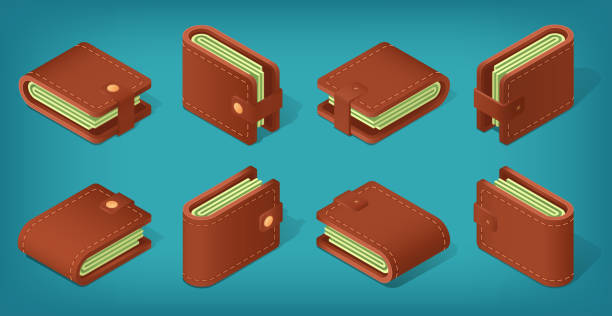
Once a common accessory, the classic leather bifold wallet is under increasing pressure from a flood of creative ideas that give current century utility, security, and style top priority. Wallet designers are investigating new materials, functions, and form factors as our reliance on physical cash declines and our demands change to produce accessories that fit into our fast-paced, digital life. From improved security elements to clever technological integration and environmentally friendly material selections, wallet design is changing dramatically. Beyond the large and sometimes minimalist wallet of the past, the emphasis is on developing more simplified, effective, and customised methods for carrying our basic goods.
The ascent of minimalistic and slim designs
One of the most noticeable patterns in wallet design is the growing acceptance of simple, understated forms. Understanding the need to carry just basic goods and cut bulk, designers are creating wallets with less impact on the environment and simplified profiles. Eliminating needless pockets and compartments that add to unnecessary thickness, these simple wallet choices sometimes emphasise holding only a few basic cards and maybe some folded cash. This move towards minimalism echoes a larger cultural trend of simplifying and decluttering our lives, including our daily carry-on goods.
Often built from lightweight but robust materials like metal, carbon fibre, or thin layers of leather or synthetic fabrics, these slender forms are The focus is on designing a wallet that is pleasant to wear in a front pocket, therefore lowering the risk of back issues related with conventional back-pocket wallets and improving protection against pickpockets.
Sustainable Resources and Ethical Manufacturing
wallets are no exception; demand for sustainable and ethically manufactured goods rises with environmental awareness. Eco-friendly materials such recycled plastics, plant-based leathers (e.g., pineapple leaf leather or mushroom leather), and sustainably sourced traditional leather are under growing investigation by designers. This change captures consumers’ rising awareness of the effects their purchases have on the surroundings. Moreover, several companies are giving ethical manufacturing techniques first priority, guaranteeing fair pay and safe working conditions for the craftspeople creating their wallets.
Customisable and Structural Designs
Understanding that personal needs differ, several wallet designers are looking at modular and customisable solutions. Many times featuring interchangeable components, these wallets let customers fit the capacity and utility of the wallet to their particular need. A wallet might, for instance, let users add or delete cardholder parts or money clips as needed. This flexibility guarantees that the wallet stays simple even with less items carried and can be enlarged depending on extra space needed.
This modular method provides a degree of adaptability not possible from more conventional fixed-design wallets. It lets users fit their wallet to various circumstances, whether they have to fit more goods for travel or simply a few cards for a night out. Customising and adjusting their wallet to fit their evolving needs improves the general performance and lifetime of the device, therefore lowering the demand for several wallets for different uses.
To sum up, the field of minimalist wallet design is not at all fixed. Driven by changing customer needs and technology developments, designers are continuously investigating new materials, features, and capabilities to produce creative carrying solutions. Moving far beyond the conventional leather bifold to meet the demands of our more complicated and digital environment, this continuous evolution promises to provide even more intriguing and useful wallet designs in the years to come.