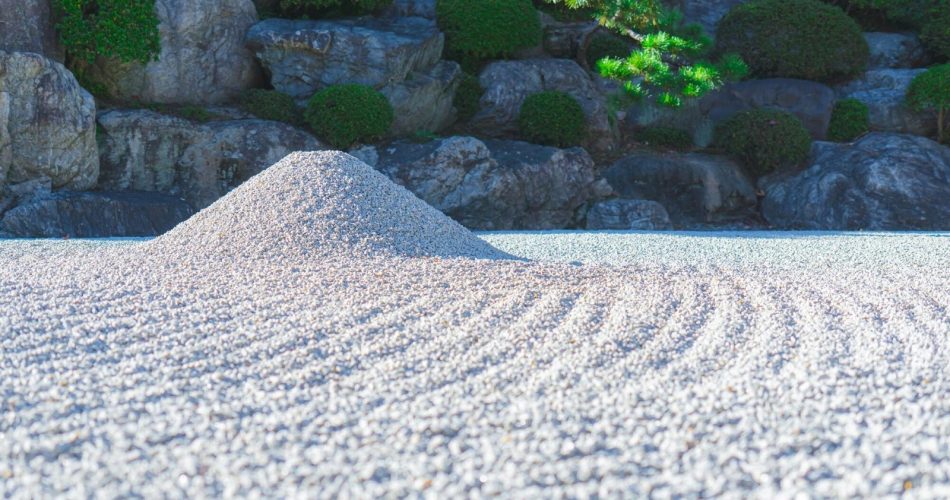
Using sand in landscaping can transform your outdoor space, making it both beautiful and practical. From creating smooth pathways to building fun sandpits for kids, choosing the right type of sand is key. Understanding how to use sand effectively brings your landscaping ideas to life.
Continue reading for essential tips on utilizing sand in your upcoming project.
Benefits of Sand in Landscaping Projects
In the landscape industry, adding sand to your projects improves water drainage by preventing soil from becoming too compacted, which supports healthier plants. It also creates a strong, stable base for features like paths and patios, enhancing both function and appearance. Additionally, mixing sand with soil improves texture, helping plants that require well-drained conditions grow better and thrive.
Types of Sand for Landscaping
Several types of sand are suited for specific landscaping tasks; choosing the right kind is crucial for your project’s success.
-
Construction Sand
Coarse sand is a key material for mixing concrete and creating a strong base for patios or pathways. Its large particles interlock for excellent stability and support. This makes it ideal for building durable and long-lasting outdoor surfaces.
-
Play Sand
Play sand is finely graded and carefully cleaned to remove any harmful materials, making it perfect for sandboxes and safe play areas. I Its soft texture creates a safe, comfortable surface for children’s play. This makes play sand a trusted choice for parents and caregivers who want a fun and secure environment for kids.
-
Masonry Sand
Masonry sand has a finer texture than construction sand, making it ideal for mixing mortar used in bricklaying. Its smooth consistency helps create even, polished surfaces that improve the look and strength of walls. This makes masonry sand an essential material for creating strong, attractive structures.
-
Kiln Dried Sand
Kiln dried sand is carefully processed to remove moisture and impurities, making it perfect for filling joints between paving stones or finishing surfaces. Kiln dried sand creates clean lines that enhance your project’s appearance. Additionally, kiln dried sand enhances durability, resisting weather and wear over time.
How to Use Sand Effectively
To maximize sand’s potential in your projects, consider the following practical tips:
-
Proper Preparation
Before laying sand, ensure the area is properly prepared. Clear debris, mark outlines, and level uneven ground. Proper preparation is essential for a finished product that complements your landscape.
-
Layering Techniques
For pathways or patios, start with a layer of construction or kiln dried sand. This base helps keep the pavers or stones steady and in place. It also allows water to drain away, which keeps the surface strong and lasting longer.
-
Maintenance
It’s important to regularly inspect your sand layers for signs of compaction or erosion. Over time, these changes can cause uneven surfaces in your pathways or patios. Adding sand as needed maintains the area’s levelness and stability.
Make Your Landscape Stand Out with the Right Sand
Using sand in landscaping enhances function and style, providing a polished look. Knowing which type of sand fits your project helps you get the best results, whether it’s for drainage, leveling, or creating a play area. Start exploring your options today to build a landscape that lasts and brings joy to your home.
Ready for more tips and ideas? Check out our blog for everything you need to know about landscaping with sand and beyond.