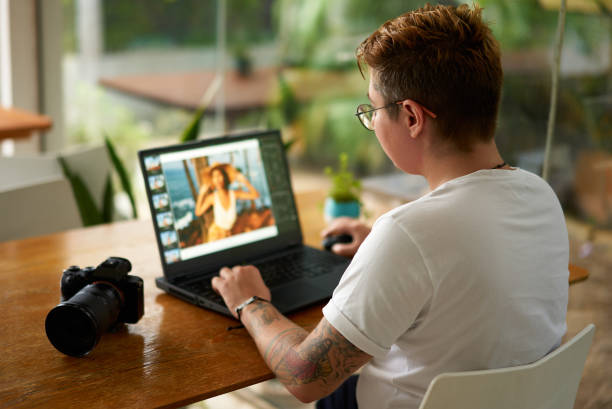
Finding the right image editor can make your design work faster and easier. Whether you’re editing photos or creating layouts, the right tool saves time and improves results.
Not all editors are built the same, and choosing the wrong one can slow you down. Consider how often you’ll use it and what features you really need.
A good match depends on your goals, skills, and setup. Use the guide below to choose the best image editor for your design needs.
Know Your Design Goals
Before downloading or subscribing to anything, be clear on what you need. Simple edits like cropping or adding text don’t require complex tools. But if you’re working on detailed designs or layered projects, choose something more advanced.
Consider whether you’re doing print, digital, or both. Your editor should support the right file types for your output. Think ahead to how often you’ll use it and for what kinds of projects.
If it’s just for occasional use, there’s no need for high-end features. But regular or professional use means you need stability and range. Make your decision based on your most common design tasks.
Ease of Use Matters
An easy-to-understand interface saves a lot of time. If you spend hours figuring out how to use it, it defeats the purpose. Some editors are built with beginners in mind and keep things simple.
Others require experience or tutorials to navigate. Choose based on how comfortable you are with image editing. If you’re just starting, pick one with drag-and-drop options and basic tools.
Experienced users might prefer something with layers, masks, and more control. Don’t overcomplicate things if you only need basic editing. Efficiency comes from using what you actually need, not what sounds fancy.
Check Tool Availability
Look at the editing tools available and compare them to your needs. If you’re adjusting brightness and contrast, make sure those sliders are easy to find.
For graphic design, you might need shape tools, text placement, and background removal. If you’re editing photos, features like filters, cloning, and retouching are helpful.
Also, check if the software supports multiple layers. Layers give you control over individual parts of your design. This is useful if you want to tweak just one section later. Not every image editor has full-featured layer tools, so double-check.
Compatibility with Your Device
Make sure the software works with your computer or device. Some editors are only available for specific systems. Others are browser-based and work across platforms. Consider storage space, memory, and speed on your device.
Heavy programs may slow down older computers. If you’re editing large files, you need something that can handle high resolution without lag. Also, check if the editor lets you save in different formats.
That matters if you’re sharing files with others who use different tools. Device compatibility isn’t just about installation, it’s about smooth performance.
Level of Creative Control
The right editor lets you bring your ideas to life without limits. Some tools are basic, offering just a few presets. Others give you freedom to build from scratch.
Choose what gives you more options, especially if you’re making custom designs. If your work includes branding, you’ll need color control, text shaping, and layering. Creative control also means having the option to undo, redo, and adjust every detail.
It’s helpful when trying new ideas. Tools that allow finer control often come with a learning curve, but they’re worth it if you design regularly. Always match tool flexibility with your skill level.
Speed and Performance
A good image editor runs fast and doesn’t freeze often. Lag slows you down and leads to mistakes. Some editors are fast for small edits but struggle with big files. Others handle heavy work better but need stronger hardware.
Look at how quickly the editor loads, processes, and saves your work. Speed matters when you’re on a deadline. Performance should be smooth even with multiple layers or effects.
Avoid tools that crash or slow down with large projects. Reliable speed improves your editing flow and makes work easier.
Storage and File Export Options
Know where your work will be saved and in what format. Some editors auto-save projects to the cloud. Others store everything locally. Make sure you can control where and how files are saved.
If you’re sharing files, choose formats that are widely accepted. Export options should include both high and low resolution. You’ll need both for print and digital.
Also, check if you can go back to your project after export to make changes. File export flexibility is important when working with clients or teams. It avoids starting over if edits are needed.
Regular Updates and Support
An editor that’s regularly updated stays more stable. Updates fix bugs and sometimes add new features. Check if the software team releases regular improvements. Good support also matters.
Look for user guides, tutorials, or active forums. If you run into a problem, help should be easy to find. Editors with strong communities often share tricks and tips.
That’s useful if you’re still learning or want to improve your skills. Don’t ignore support just because you’re confident. Everyone runs into issues at some point. Having help nearby makes a difference.
Editing on the Go
If you need to edit photos online or while traveling, choose an editor that works on mobile or browser. This gives you flexibility when you’re away from your main device. Mobile-friendly editors allow quick fixes or posts without delay.
Look for tools that load fast on mobile data. Also, check if the features are the same across devices. Some tools limit options on smaller screens.
If your work depends on mobility, make sure everything syncs across devices. Quick access means you never miss a deadline or idea. Being able to edit anywhere is a major plus.
You Should Choose the Right Image Editor for Your Design Needs
Picking the right image editor depends on your needs, skill level, and workflow. Don’t get stuck with the wrong tool. Focus on what features matter most to your daily tasks.
Match your choice with your device and design goals. Whether you’re just starting out or already designing full-time, the right tool makes work easier and faster. Keep your process simple, efficient, and creative.
To explore other topics, visit our blog. We do have more!