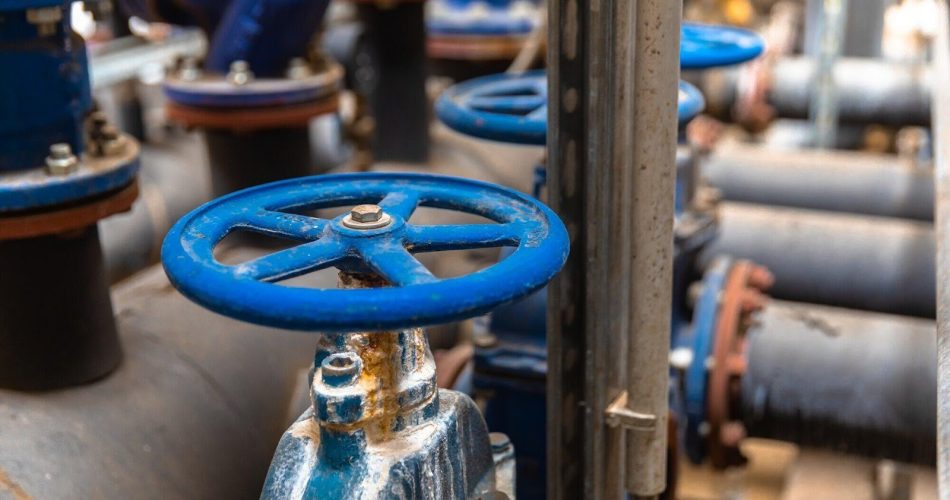
Valves are essential tools in the oil and gas industry. They help control the pressure, flow, and direction of materials. Different valves have different uses and strengths.
Each one fits a specific role in a pipeline system. Knowing the right valve prevents leaks and system failure. It also improves safety and efficiency in daily operations.
But how do you know which valve to choose? This guide explains the types used and why they matter. Keep reading to discover how each valve works and where it fits best.
Gate Valves: Strong Flow Control in One Direction
Gate valves open and close to allow or stop flow completely. These valves are best used where full shut-off is needed. They’re often installed in straight-line flow systems.
When fully open, they cause little to no flow restriction. This makes them good for large pipelines.
Gate valves are not made for frequent use or quick control. They help isolate sections during maintenance safely and efficiently.
Globe Valves: Great for Flow Adjustment
Globe valves are designed to start, stop, and regulate flow. Their shape allows for fine control over the fluid’s movement. These valves are common in systems needing accurate pressure control.
They work well in high-pressure or high-temperature settings. They are usually installed in places needing regular adjustments.
Globe valves are strong and durable, though they may reduce flow slightly. Their design helps prevent backflow in sensitive systems.
Ball Valves: Reliable for Quick Shut-Off
Ball valves use a round ball to control flow quickly. When the ball turns, it either blocks or opens the passage. These valves are great for quick shut-off in emergencies.
They are easy to operate and long-lasting. Ball valves can handle high pressure and heavy flow.
Their tight seal prevents leaks and improves safety. Because of their reliability, ball valves are widely used in oil and gas valves systems.
Check Valves: Keep Flow in One Safe Direction
Check valves allow fluids to move in only one direction. They prevent backward flow that can damage equipment. These valves work automatically with system pressure.
They don’t need a handle or external control. Check valves protect pumps and compressors from harm.
They are ideal for systems needing strong flow control. Their simple design makes them easy to maintain and install.
Butterfly Valves: Light and Fast Flow Control
Butterfly valves are light, simple, and easy to install. They use a rotating disc to control the flow in pipes. These valves are good for large-volume, low-pressure applications.
They can start or stop flow quickly with a turn of the handle. Butterfly valves take up less space and are cost-effective.
Their quick action makes them useful in emergency systems. They are used in both upstream and downstream applications.
Learn How to Choose the Right Valve Matters
Understanding valve types helps maintain safety and improve operations. Each valve serves a unique role in oil and gas systems. From flow control to pressure management, their function is critical.
Choosing the right valve avoids accidents and cuts repair costs. It also boosts system life and reduces energy waste. Whether it’s a gate, globe, ball, check, or butterfly valve, every type matters, keep this guide in mind when working with oil and gas valves.
Did you find this article helpful? If so, check out the rest of our site for more informative content.