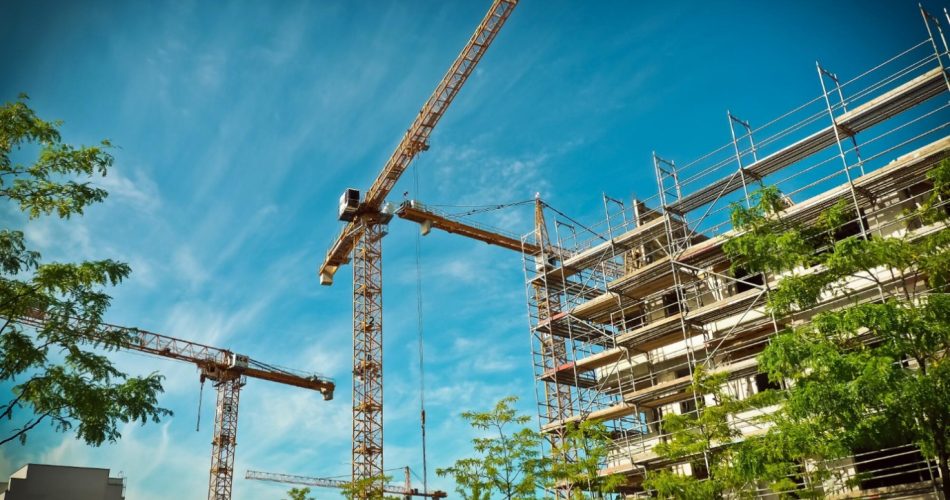
The construction world is changing fast, and modular construction companies are leading the way. These firms use smart methods to build faster, save money, and still deliver strong, high-quality results. Modular construction is faster and cheaper because parts are built off-site and put together quickly.
This approach is not only faster, it also helps cut down on waste and delays. If you’re curious about how this new method is shaping the future of building, keep reading to learn more.
The Rise and Benefits of Modular Construction
Modular construction is redefining how structures are built. Here are some of the undeniable perks:
Speed
Modular construction saves time by building parts off-site while the ground is being prepared. This two-step process allows both tasks to happen at once, cutting down delays. As a result, projects that once took months can now be finished in just a few weeks.
Cost Efficiency
Modular construction uses pre-made parts built carefully, which helps cut down waste and save materials. This efficient process lowers production costs and avoids common on-site delays. Because of this, modern modular firms can often offer better prices than traditional builders.
Quality Control
Building in a factory setting allows for better control over every step of the process, leading to higher quality results. Materials are protected from weather, and workers follow set standards without outside disruptions. This reduces mistakes and creates stronger, longer-lasting structures.
Flexibility
Modular buildings are built with flexibility in mind, making it easy to add more space or change layouts as needs grow. This means developers can adjust their projects over time without starting from scratch. This adaptability adds significant long-term value and effectively future-proofs investments.
How Modular Construction Firms Operate
Modern modular builders follow a faster and more organized process than traditional ones. They start with advanced design software to plan every detail of the project before a single piece is built. After planning, the modules are built in a factory using assembly lines to make the work faster and more consistent.
After the modules are finished, they’re shipped to the site and assembled quickly, cutting down on weather delays and on-site labor time. This approach not only keeps the project on schedule but also improves overall efficiency. Many modular builders prioritize eco-friendly materials and designs to promote environmental sustainability.
The Impact on Various Sectors
Modular construction is making waves across several sectors:
- Residential Building
Modular homes are popular because they cost less and are built faster than regular homes. Many buyers like that building in a factory avoids weather delays and problems. This process also ensures better quality checks before the modules are sent to the site.
- Commercial Developments
Businesses now choose modular construction for offices and shops because it is quicker and works better. Affordable and reliable modular construction companies help save money and finish work fast. These companies also offer consistent quality, making them a smart choice for long-term value.
- Healthcare Sector
Hospitals and clinics often need to expand quickly due to emergencies, patient surges, or new treatment demands. Modular construction allows these facilities to add or reconfigure rooms without major disruptions. Its speed and flexibility make it a smart choice for meeting urgent healthcare needs.
- Educational Institutions
Many schools now use modular buildings to handle growing student numbers without long delays. These buildings can be added quickly and moved later, depending on space or enrollment needs. This helps schools stay flexible while avoiding major disruptions to classes.
Challenges Faced by Modular Construction Firms
Despite its clear benefits, modular construction still faces pushback in the industry. Many professionals are hesitant to move away from traditional building methods. This resistance often stems from outdated beliefs that modular structures are flimsy or unsafe.
Moving large modules from factories to job sites is another big challenge. It needs careful planning to get permits, avoid traffic, and get the site ready for easy setup. Any mistake during this phase can lead to delays and extra costs.
Starting a modular construction business also requires a high upfront investment. Companies need advanced design software, skilled workers, and well-equipped factories. For small or new firms, these costs can be difficult to cover without strong financial support.
Future Trends in Modular Construction
Modular construction is growing fast because it is better for the environment. Many companies now use recycled materials and energy-saving designs. These choices help the planet and lower building costs over time.
New technology is also helping modular construction improve. Tools like BIM and 3D printing make building faster and more accurate. This means fewer mistakes and better-quality buildings.
Governments are also helping modular construction grow. They give support and funding, especially for affordable housing. This makes it easier to build more homes that are both cheap and eco-friendly.
Case Studies of Successful Modular Projects
Several successful modular projects illustrate the capabilities of these construction firms:
- The Smile House Project
This housing project proved that sustainable design and modular construction can work hand in hand. It was completed in just six months, significantly reducing time and waste. The result was high-quality, affordable homes built faster and smarter.
- The Marriott Residence Inn
This hotel project became a commercial success by using modular construction to speed up the build. The whole building was finished in just 14 months, about half the usual time. This method also reduced labor and material costs, making the project more efficient and profitable.
- The Courtyard by Marriott in Brooklyn
This hotel showed how modular construction can speed up building while maintaining a clean and less disruptive site. Workers assembled most parts off-site, which reduced noise, waste, and traffic around the area. The final design showed that modular buildings can look good, feel comfortable, and work well.
Building Smarter with Modular Solutions
Modular construction is changing the game for builders, developers, and property owners alike. These firms bring speed, savings, and quality that traditional methods often can’t match. As the push for affordable and eco-friendly buildings grows, modular builders are stepping up with real results.
If you’re planning a project, choosing a trusted modular construction firm can help you stay on time, on budget, and ahead of the curve. Check out our blog to see how modular methods can work for you.