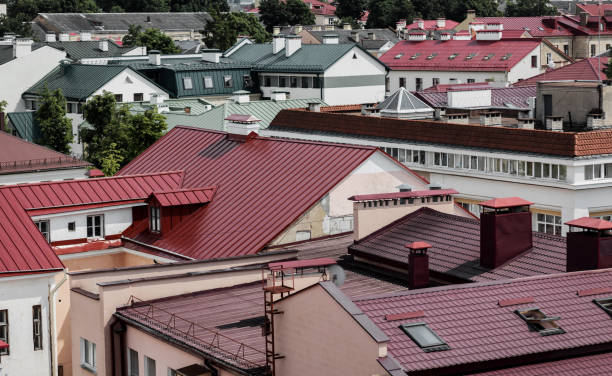
What makes metal roofs stand out in extreme weather conditions? Are they truly reliable when it comes to withstanding intense storms, heavy rainfall, and fluctuating temperatures? In aggressive weather zones, roofing systems must be resilient enough to protect homes and commercial buildings from unpredictable environmental changes.
Metal roofs are recognized for their exceptional durability, ability to withstand extreme weather, and energy-saving qualities. Durable metal roofs for harsh climates are particularly effective in areas prone to severe weather, offering long-lasting protection and reduced maintenance. This article delves into the crucial features that make metal roofing a reliable and sustainable solution in harsh climates.
1. Durability Against Extreme Weather
One of the most significant advantages of metal roofs in aggressive weather zones is their durability. Unlike traditional roofing materials, metal roofs are highly resistant to severe weather conditions, including heavy snow, hail, and intense rain. They do not crack, warp, or erode under pressure, making them ideal for areas prone to such elements. Besides, durable metal roofs for harsh climates can withstand high winds of up to 140 mph, ensuring that homes and buildings remain safe even during hurricanes or tornadoes.
2. Resistance to Hail and Ice Damage
In regions where hailstorms are common, metal roofs offer a level of protection that is unmatched by other materials. The strong surface of metal roofing prevents dents and punctures, unlike asphalt shingles or tile roofs, which are prone to significant damage from hail. Also, the smooth surface of metal roofs ensures that ice and snow do not accumulate easily, reducing the risk of ice dams that can cause leaks and structural damage over time.
3. Heightened Energy Efficiency
Metal roofs are highly reflective, which helps reduce the amount of heat absorbed from the sun. This feature is particularly beneficial in hot climates, as it can significantly lower cooling costs. By reflecting solar energy, metal roofs help maintain a cooler interior temperature, thus reducing the need for air conditioning during the summer months. In colder regions, metal roofing can also enhance insulation, retaining heat within the home during winter and further improving energy efficiency.
4. Long-Term Sustainability
Metal roofs are both durable and sustainable, making them a smart investment for the long term. A majority of metal roofing materials are crafted from recycled metals, and once they reach the end of their life, they can be completely recycled once more. This reduces the environmental impact compared to asphalt shingles, which end up in landfills. Metal roofs can last between 40 to 70 years, far outlasting traditional roofing materials and reducing the need for frequent replacements.
Crucial Benefits of Metal Roofs in Aggressive Weather Zones:
- Longevity: Metal roofs can last up to 70 years, with minimal maintenance required.
- Resilience: Strong enough to withstand high winds, hailstorms, and snow accumulation.
5. Low Maintenance
Unlike traditional roofs, metal roofs require very little maintenance to maintain their functionality and aesthetic appeal. They are resistant to mold, mildew, and algae growth, which can commonly affect asphalt shingles. Cleaning and occasional inspections are typically enough to ensure their longevity, making metal roofs a cost-effective choice for homeowners in aggressive weather zones. This low-maintenance feature is particularly beneficial in areas where extreme weather conditions can make roof repairs and upkeep difficult and expensive.
Metal roofs have proven themselves to be an essential option for homeowners in aggressive weather zones, providing durability, energy efficiency, and low maintenance. Their ability to withstand harsh conditions like heavy snow, intense winds, and hail makes them a trusted choice for long-term protection. For anyone in an area prone to severe weather, investing in a metal roof offers unmatched strength and sustainability.