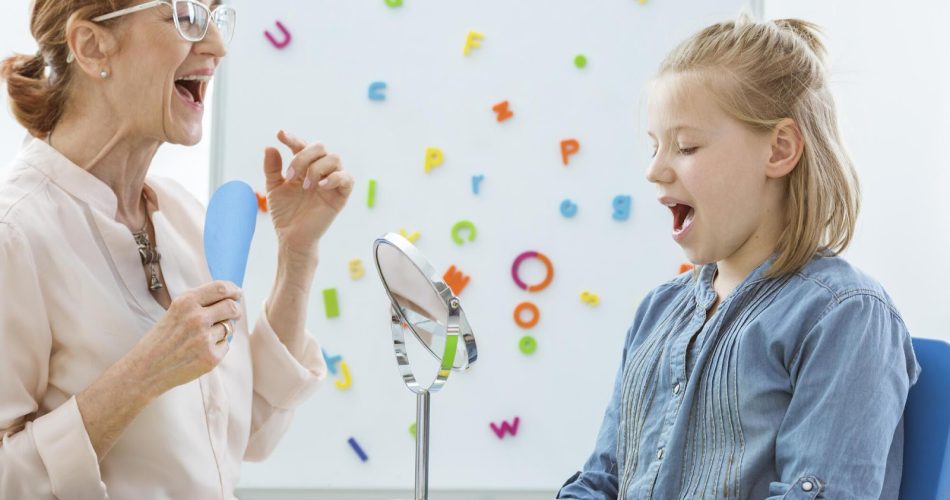
Childhood is a series of small steps that shape growth. From the first smile to the first word, each moment is part of learning. Parents often focus on play, school, and milestones. But an important piece of development is often missed-the way the tongue and lips move.
These small muscles affect speech, feeding, and even health. Understanding how they function enables parents to provide better support. Read on to see why they matter and how to guide a child’s progress.
Early Feeding and Oral Skills
The first signs of tongue and lip use appear during feeding. Babies must move their mouths in the right way to latch, suck, and swallow. When these skills work well, feeding feels easy.
If there are limits, a baby may struggle with milk flow or weight gain. Watching early signs is key. It helps parents act quickly if their child seems to have trouble, making help easier to find.
Building the Foundations of Speech
Clear speech depends on how well the tongue and lips move. These muscles shape sounds, form words, and make talking possible. A child learning to speak often plays with these movements. They try new sounds and practice saying them.
Restricted movement may lead to unclear or delayed speech. Support from therapy or professional care can help. With practice, children learn to speak with more ease and confidence.
The Link Between Oral Movement and Breathing
Tongue and lip position also affect how a child breathes. If the tongue cannot move freely, mouth breathing may start. This can disturb sleep and lower energy during the day. Sleep is vital for learning and growth, so parents should notice if a child has these habits. Solving movement issues can improve speech, feeding, and rest.
Support from Specialists
At times, children need expert care to improve tongue and lip movement. Specialists offer exercises, therapy, or treatments that give more freedom and control. Families who want guidance can look to experts such as this Tongue Tie Specialist in Lexington, who supports children with movement challenges. With the right care, children gain skills that help them thrive.
Encouraging Development at Home
Parents can also guide growth through simple play. Blowing bubbles, sipping from straws, or making silly faces can build strength and control. These fun activities help improve the tongue and lips while giving joy to the child. Progress may feel small at first, but steady practice makes a big difference.
Social Confidence and Communication
Tongue and lip movement also play a role in how children connect with others. When speech is clear, children feel more at ease in school, play, and daily life. They join conversations, make friends, and share ideas without fear.
If words are hard to say, children may hold back or feel shy. Supporting strong oral movement helps them grow not only in skill but also in confidence, opening doors to better social experiences.
A Strong Foundation for Growth
Children grow through many small steps, not just big milestones. Tongue and lip movement affect eating, speaking, and even sleeping. By guiding these skills early and seeking help when needed, parents create a strong base for healthy growth. With patience, love, and support, every child can build the tools they need for a bright future.
For more on this content, visit the rest of our blog!