Table of Contents:
- Understanding the Importance of Fit
- How Materials and Construction Influence Sizing
- How to Measure Your Feet the Right Way
- Width, Instep, and Unique Foot Shapes
- Tips for Trying on and Testing Men’s Loafers
- Break-In and Adjustments: What to Expect
- Maintenance for Comfort and Longevity
- The Connection Between Fit and Foot Health
- Loafer Sizing and Modern Style Trends
Understanding the Importance of Fit
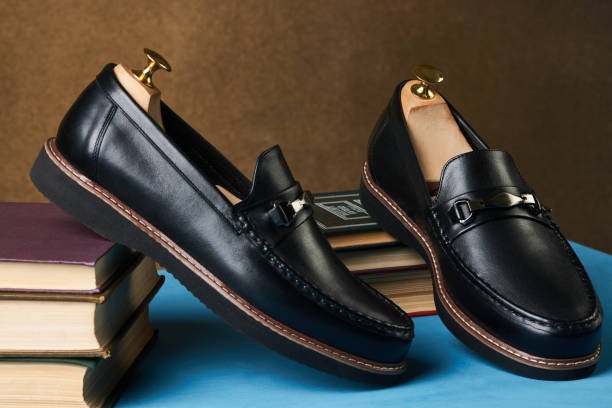
Finding the right fit in men’s loafers is crucial for comfort, foot health, and making the most of every step. A well-fitted loafer prevents issues like blisters, calluses, and fatigue that often come with ill-fitting shoes. Unlike sneakers with forgiving padding or boots with adjustable laces, loafers rely on shape and construction to provide their signature slip-on feel. This means that getting the precise size matters even more. Men who prioritize comfort and style turn to relaxing loafers designed to fit well and complement personal aesthetics, ensuring every outfit feels effortless and tailored.
Loafers that fit properly distribute the body’s weight evenly across the feet, reducing joint stress and improving overall posture. According to podiatric research and expert advice, consistently wearing shoes that are too tight or too loose can lead to long-term foot problems and discomfort. Ensuring a snug (but not restrictive) fit is one of the smartest investments anyone can make in their daily well-being, especially for those who spend hours on their feet.
How Materials and Construction Influence Sizing
The material and construction of a loafer can dramatically affect how it fits and feels. Leather loafers, for instance, tend to soften and mold to the wearer’s foot over time. Initially, they may feel snug, but high-quality leather will stretch and adapt for a custom feel with regular wear. Suede offers immediate comfort and flexibility but can be less supportive if not properly constructed with a strong sole. Synthetics or vegan materials can provide durability and easy maintenance but may not “give” as much as natural materials, so getting the size spot on is essential.
The design of a loafer also influences fit. Penny loafers tend to be classic in shape and often work well for many foot types while driving loafers have softer construction and sometimes fit slightly looser. Tassel loafers or those with stacked heels can support different walking habits and aesthetic preferences, but their sizing may run differently depending on their interior lining and footbed padding. Considering construction details such as lining materials and sole thickness can help ensure immediate comfort and long-term wearability.
How to Measure Your Feet the Right Way
Measuring your feet accurately is foundational to choosing the right loafer size. Start by tracing your foot on a piece of paper while standing, as your foot will spread more under your full weight. Use a ruler to note the longest point from heel to toe and the widest part across the ball of your foot. Measure both feet—many people have small differences between right and left—and use the larger measurement for reference. Consult the size chart for each specific shoe brand, as sizing can vary significantly from one manufacturer to another. A centimeter-based measurement is more precise than simply guessing by shoe size alone.
Width, Instep, and Unique Foot Shapes
Shoe sizing is not only about length and width; instep height is just as important. Men with wider feet may require “wide” or “extra wide” loafers for a relaxed fit that doesn’t squeeze the sides of the foot. On the other hand, those with narrow feet might find standard loafers too loose, causing slipping or instability.
The height of your instep (the raised middle section of your foot) can also affect fit, especially with slip-on designs like loafers. If you have a high instep, look for loafers with stretch panels, deeper vamps, or softer uppers. People with low arches or flat feet may need loafers with built-in arch support to avoid foot fatigue. Thinking beyond simple length size is essential for anyone with unique or hard-to-fit foot shapes.
Tips for Trying on and Testing Men’s Loafers
Trying loafers on at the end of the day—when feet are slightly larger due to swelling—helps you find the most accurate fit. Wear the socks you’ll use most frequently with your loafers, or go barefoot if that’s your usual style. When testing, pay attention to how the heel fits; it should be snug but not tight, as a loose fit can cause rubbing, while a tight fit will not loosen up easily like the toe box.
Walk on different surfaces in the store to see how the sole feels. Some loafers require a break-in period, while others offer comfort right away. If you’re shopping online, try shoes indoors to avoid wear so you can return them if they don’t fit as expected. Thoroughly checking fit from every angle and giving yourself time to walk around ensures you make a confident buying decision.
Break-In and Adjustments: What to Expect
Most genuine leather loafers will feel slightly firm during the first few wears. Over one to two weeks, the material will flex and adapt to your foot, especially in the toe and vamp areas. Gentle bending by hand and using shoe stretchers or cedar trees can speed up this process. Suede loafers generally require less break-in and will feel soft from the start, though they may stretch out a bit as you wear them.
If hot spots or pressure points develop, consider using protective insoles or targeted stretching sprays. Quick interventions can prevent blisters and help your shoes conform perfectly to your feet’ unique contours. With patience and simple adjustments, loafers become increasingly personalized with every wear.
Maintenance for Comfort and Longevity
Regular cleaning and conditioning keep loafers fitting properly and prevent the buildup of sweat or debris that can alter their internal shape. Clean leather loafers with a damp cloth and condition them monthly with appropriate products. Use a soft brush and occasional spraying with a water-and-stain guard for suede. Always store loafers with shoe trees to maintain form; this is particularly important after exposure to moisture or heat.
Rotating your loafers with other shoes allows the material to return to its natural shape, preventing premature stretching. This simple routine helps preserve initial comfort and extend the life of any well-loved pair.
The Connection Between Fit and Foot Health
Well-fitting loafers help prevent foot pain, fatigue, and long-term conditions like bunions and plantar fasciitis. Shoes that are too loose may lead to instability and trips, while excessively tight footwear restricts circulation and causes discomfort. Podiatrists often emphasize checking fit throughout the year, as feet can change in size and shape due to age, activity level, or health factors.
Choosing loafers that honor your body’s needs improves daily comfort and can even boost energy during long days on your feet. Prioritizing fit means every stride is supported for daily routines and special occasions.
Loafer Sizing and Modern Style Trends
Today’s men’s fashion embraces style and comfort, making the right loafer a key accessory in any wardrobe. Loafers are now available in expanded size ranges, with adjustable features and designs catering to various foot shapes. The best choice balances fit with aesthetics, allowing men to step confidently from boardrooms to weekend gatherings.
Keeping trends in mind but focusing on sizing and personal needs first results in footwear that not only looks sharp but also feels great. With thoughtful selection and care, everyone can enjoy the classic appeal and enduring comfort of the perfect loafer fit.