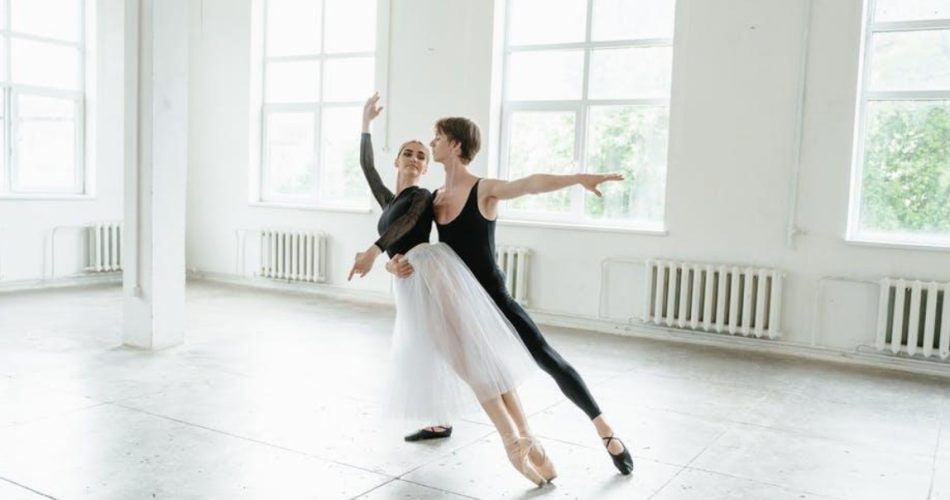
A dance performance is more than just the choreography and the dancers’ skills. The environment where the dance takes place can greatly influence how the performance looks and feels.
Picture a stunning ballet set against beautiful buildings, or a lively hip-hop dance on a bright stage. Each setting gives a unique vibe. It boosts the dancers’ skills and the audience’s enjoyment.
In this article, we’ll explore how a well-designed space impacts dance performance, including acoustics, stage design, and audience interaction.
Understanding the Importance of Space in Dance
When it comes to dance performance, the stage is just as important as the dancers. A well-designed space helps highlight the movements and emotions of the dance. Good lighting can create shadows that add drama or brightness that brings joy.
The stage layout allows for various formations, which boosts visual appeal. Performance venues, like theaters and gyms, each offer unique features. These features change how people experience dance. So, it’s important for both dancers and choreographers to understand these elements.
The Role of Acoustics
Imagine a dance performance with beautiful movement but terrible sound. The music and the rhythm set the mood and engage the audience.
The acoustics of a space determine how well the sounds can be heard and how they resonate with the dancers’ movements. In a hall with great acoustics, every beat can enhance the choreography, while poor sound quality can make it hard to connect the dance with the music.
Stage designers and architects work together to ensure that venues can deliver quality sound. They have to consider the height, width, and materials of the building.
For instance, wooden stages can add warmth to the music, while tall ceilings can amplify sounds dramatically. Dancers rely on these acoustics to synchronize their movements with the music, making it a vital factor for dance performance.
Stage Design Enhancing Dance Performance
The design of the stage is one of the most crucial aspects that influence a dance performance. A well-structured stage gives dancers the room they need to move freely and creatively.
Unique stage shapes like thrusts or in-the-round stages engage audiences in new ways. They let dancers connect with viewers from many directions.
Some performances feature multiple levels. This adds visual splendor and makes the dances more complex.
Good stage design can include special effects. Trap doors and projections can enhance the storytelling in a performance. This helps to communicate emotions and narratives visually, keeping the audience captivated.
This link between space and dance boosts performances. It goes beyond movement to create an unforgettable experience.
If you’re looking for the perfect flooring for your dance venue, consider to shop Stagestep dance floors. They offer a variety of high-quality dance floors suitable for different styles and needs.
Lighting’s Impact on Dance
Lighting is another element that can profoundly impact dance performance. Proper lighting can create moods, emphasize particular dancers, and enhance storytelling.
Picture a soft blue light slowly fading in. It creates a calm mood that grabs the audience’s attention right away. In contrast, a sudden burst of bright lights can energize the crowd and highlight a climactic moment in the performance.
Choreographers and lighting designers frequently collaborate to develop a lighting plan that aligns perfectly with the dance. The lighting should never overshadow the dancers but enhance their movements. By casting shadows and highlights on the dancers’ bodies, it can create a beautiful visual tapestry that tells the story of the dance.
Audience Interaction and Engagement
The relationship between the dancers and the audience is important. Spaces designed for dance can greatly affect this connection. Traditional proscenium theaters keep the stage away from the audience.
In contrast, smaller venues place dancers closer to viewers. This closeness boosts emotional engagement. Audiences feel more connected to the performances.
Large amphitheaters create a grand feel. They showcase stunning visuals but may reduce audience interaction.
The type of space dictates how dancers move and express themselves, influencing how the audience reacts. A well-designed space creates a shared experience. It invites everyone to enjoy the beauty of the dance performance.
The Effect of Floor Surface on Performance
The type of flooring in a dance venue is critical for performers. A well-designed floor can help prevent injuries and promote proper stretching and movement.
Dance floors must provide enough support for jumping, turning, and many other movements. The right flooring reduces stress on dancers’ joints, allowing them to perform at their best without worrying about injury.
A springy floor can absorb shock, making it safer for dancers. Dancers need to feel secure and confident in their surroundings to express themselves fully. A well-chosen dance floor can minimize slips and falls, enhancing the overall performance quality as well.
Creating a Cohesive Experience
A well-designed space makes sure everything works together. This creates a smooth experience for dancers and audiences.
Every detail-like acoustics, lighting, and stage design-should boost and support the dance performance. This synergy boosts performance from simple movement to a stunning art form.
A great venue can change a good performance into an unforgettable one. Think of beautiful design, top-notch acoustics, engaging lighting, and a supportive floor.
These elements work together to enhance the experience. All these elements combined create a genuine emotional connection between the dancers and the audience.
Balancing Functionality and Beauty
To design a space for dance performances, it’s important to balance function and beauty. The venue should not only look beautiful but also serve the practical needs of dancers and production teams. Designers have the challenging task of creating spaces that are visually captivating while ensuring that they meet all necessary safety and functional standards.
Considering different dance genres is also important. Ballet, contemporary, and hip-hop require varying environments to highlight their unique styles. A good design takes into account the different needs of these diverse dance forms, enabling them to shine in their own right.
The Power of Well-Designed Spaces in Dance Performance
The impact of a well-designed space on dance performance cannot be overstated. All these factors create a rich environment for both dancers and audiences, leading to an unforgettable experience.
Understanding how to leverage these aspects can significantly improve a dance performance. Whether you are a dancer, choreographer, or part of the audience, appreciating the role of design will deepen your connection to the art of dance. So next time you enjoy a show, take a moment to appreciate the beauty of the space around you and how it contributes to the magic of the performance.
If you enjoyed this article and would like to read more like it, please check out the rest of our blog today.