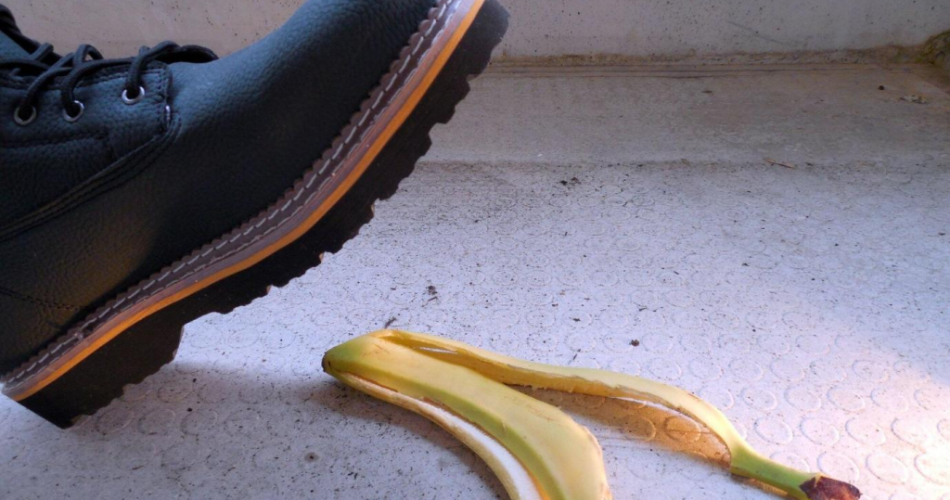
Slip and fall accidents are among the most common types of personal injury claims in the legal system. These incidents can occur anywhere-from grocery stores and restaurants to sidewalks and private homes-and often result in serious injuries such as fractures, concussions, or sprains.
Understanding liability in slip and fall cases is crucial for both victims seeking compensation and property owners aiming to minimize legal risks. Read on.
What is Liability in Slip and Fall Cases?
Liability refers to the legal responsibility one party holds for causing harm or injury to another. In slip and fall cases, liability usually rests on the property owner or occupier if it can be shown that their negligence led to unsafe conditions causing the accident. However, establishing liability is often complex and requires careful examination of the facts.
Key Elements to Prove Liability
To successfully claim liability in a slip and fall case, the injured party (plaintiff) generally needs to establish the following:
Duty of Care
The property owner or manager owed a duty of care to maintain the premises in a reasonably safe condition for visitors. This duty varies depending on the status of the injured person-whether they are an invitee (e.g., customer), licensee (e.g., social guest), or trespasser.
Breach of Duty
The property owner breached that duty by failing to address or warn about a hazardous condition. This could involve slippery floors, uneven surfaces, poor lighting, or debris that could cause a fall.
Causation
The hazardous condition directly caused the plaintiff’s fall and resulting injuries. This means there must be a clear link between the unsafe condition and the accident, showing that the fall would not have occurred otherwise.
Damages
The plaintiff suffered actual injuries or losses due to the fall, such as medical expenses, lost wages, or pain and suffering. These damages must be documented and quantifiable to support a valid compensation claim.
Comparative Negligence and Its Impact
Many jurisdictions apply a comparative negligence standard, which means that if the injured person shares some responsibility for their fall (e.g., not paying attention or wearing improper footwear), their compensation may be reduced proportionally. For instance, if a court finds the plaintiff 20% at fault, their award would be reduced by that amount.
Common Challenges in Slip and Fall Claims
Slip and fall cases can be difficult to prove because accidents often happen quickly without witnesses, and property owners may argue that they had no prior knowledge of the hazard. To overcome these challenges, plaintiffs typically gather evidence such as photographs of the unsafe condition, maintenance records, eyewitness testimony, and medical reports.
Responsibilities of Property Owners
Property owners are expected to regularly inspect and maintain their premises to prevent accidents. This includes promptly cleaning spills, repairing damaged flooring, installing adequate lighting, and posting warning signs when necessary. Failure to uphold these responsibilities can establish negligence.
Importance of Legal Guidance
Given the complexities involved, consulting with a personal injury attorney experienced in slip and fall cases is crucial. A skilled lawyer can help gather evidence, navigate insurance claims, and advocate for fair compensation on behalf of the injured party. Make sure to find a lawyer after a retail slip and fall to get justice.
Get The Justice You Deserve
Slip and fall accidents can result in serious injuries and significant financial burdens. Understanding the legal concept of liability is essential for anyone involved in such a case. With the right legal approach, injured individuals can protect their rights and seek the compensation they deserve.
If you want to read more articles, visit our blog.